If you want a West San Jose neighborhood that feels practical, established, and well placed, the area along the Cupertino and Campbell border deserves a closer look. You may be trying to balance commute options, everyday convenience, and a home environment that feels more settled than brand-new. This pocket stands out for exactly that mix, and understanding how it works can help you decide if it fits your next move. Let’s dive in.
Why this West San Jose pocket stands out
West San Jose is generally defined by the city as the area west of SR-17 and I-880 and south of Stevens Creek Boulevard, within San José City Council District 1. For buyers focused on the Cupertino and Campbell border, the most relevant areas tend to cluster near Saratoga Avenue, Winchester Boulevard, and Stevens Creek Boulevard.
What makes this location appealing is not one single landmark. It is the way several advantages come together in one place: access to major shopping corridors, proximity to neighboring cities, a range of transit options, and established residential streets nearby. If you want a strategic location without feeling fully urban, this area often checks a lot of boxes.
Everyday feel: suburban with active corridors
One of the best ways to describe this part of West San Jose is mostly suburban with busier commercial pockets. City planning materials describe the corridor areas as a mix of shopping plazas, strip malls, offices, apartments, and community-serving uses next to single-family neighborhoods.
That means your day-to-day experience can change quickly depending on the block. A main road may feel active and convenient, while the surrounding residential streets often feel calmer, older, and more established.
San José’s urban village planning helps explain why. The city concentrates more growth in selected transit-access corridors while leaving many already developed single-family neighborhoods largely intact, so you get evolving retail and commercial zones without losing the mature character of many nearby residential blocks.
Saratoga Avenue anchors daily convenience
If there is one commercial spine that defines this border area, it is Saratoga Avenue. The city’s Saratoga Urban Village materials describe the corridor from Highway 280 to Lawrence Expressway as mostly commercial, with shopping centers, offices, and community-serving institutions alongside single-family, apartment, and multifamily housing.
For many residents, that translates into easier daily life. You are close to errands, dining, services, and regular shopping without needing to cross half the valley.
Westgate Shopping Center is one of the better-known anchors here, and the corridor is still evolving. In February 2026, the Planning Commission approved a future T&T Supermarket at 1600 Saratoga Avenue in Westgate Mall, which is a good reminder that this is not a frozen-in-time retail strip. It continues to adapt to how people live and shop.
Amenities that support real life
A neighborhood guide is only useful if it reflects how you actually spend your week. In this part of West San Jose, the amenity mix supports both routine errands and weekend downtime.
District 1 highlights amenities such as Santana Row, Westgate Shopping Center, Winchester Mystery House, and the San Tomas Aquino Creek Trail. The district’s parks and facilities list also includes Calabazas Park, San Tomas Park, Saratoga Creek Trail, West Valley Branch Library, Calabazas Branch Library, and San Tomas Community Center.
That variety matters. It means you have access to shopping, recreation, public facilities, and community spaces across the west side, which can make daily logistics feel more manageable.
Commute access is part of the draw
For many Silicon Valley buyers, location starts with commute math. This West San Jose pocket benefits from strong arterial and freeway access tied to nearby routes and neighboring Cupertino connections.
Cupertino’s transportation information points to I-280 and SR-85, plus Lawrence and Foothill expressways, as key access routes in the broader area. Principal roads include Stevens Creek Boulevard, Homestead Road, De Anza Boulevard, and Wolfe Road, all of which shape how people move around this side of the valley.
Stevens Creek Boulevard is especially important. San José describes it as a major corridor for health, education, tech, shopping, and housing across Cupertino, Santa Clara, and San José, with regional funding aimed in part at improving bus speed and reliability.
Transit is better than many buyers expect
This part of West San Jose is still very much a driving market for many households, but transit is more useful here than some buyers assume. If you want a backup to driving, or if your household uses a mix of transportation options, that can be a meaningful advantage.
VTA service relevant to the border area includes Rapid 523 along De Anza, Route 23 on Stevens Creek, Route 25 on the Cupertino side, Route 55 to De Anza College, and Express 101 on the Camden and Branham corridor. VTA also shows the Green Line ending at Winchester and serving Campbell Station.
Route 60 is especially notable for this area because it stops at Winchester and Campbell and Winchester and Stevens Creek, then continues toward Santa Clara Transit Center, San José Mineta International Airport, and Milpitas BART. For some buyers, that adds flexibility that is hard to find in more purely residential suburban pockets.
Housing character: why the streets feel established
A big part of this area’s appeal comes from the housing stock itself. A City of San José historic survey of the Saratoga Avenue Urban Village says much of the construction here occurred during the 1950s through the 1970s.
That era shaped the neighborhood look in ways many buyers still value today. The city’s architectural context for San José’s Ranch Era identifies Mid-Century Modern, Rustic Ranch, Storybook Ranch, Asian-Influence Ranch, Custom Ranch, and especially Tract Ranch homes as part of the local pattern.
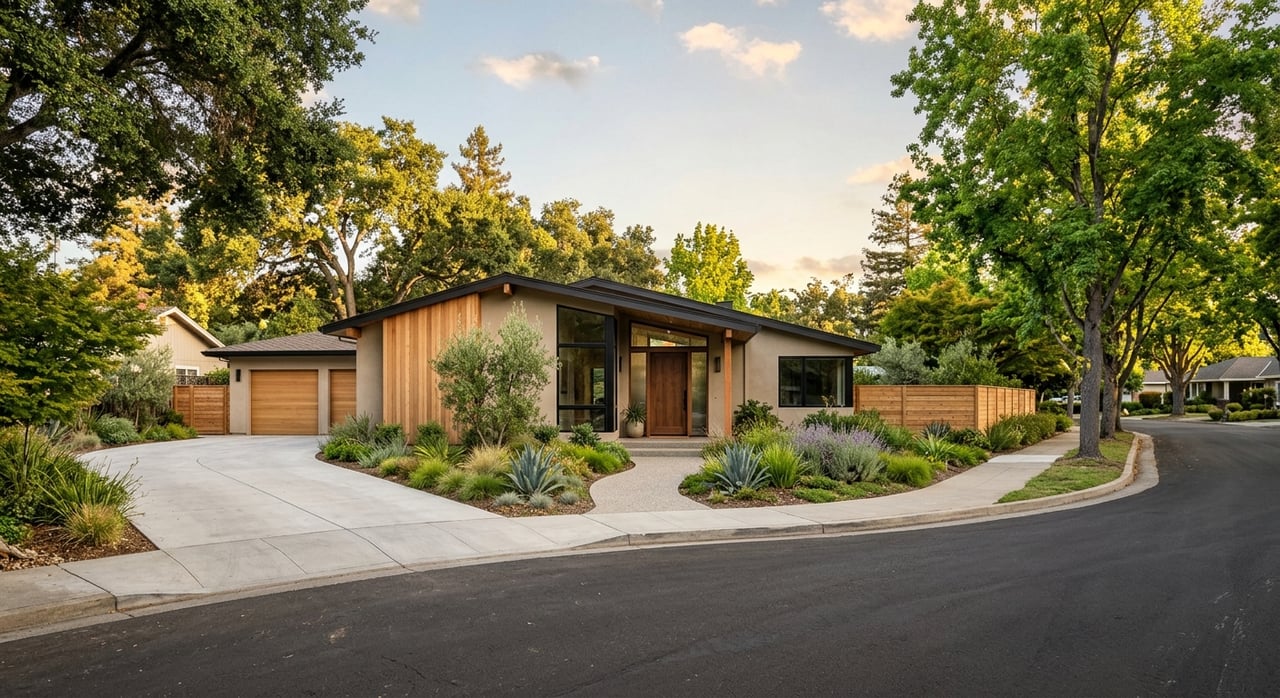
Tract Ranch homes are particularly common in the broader housing fabric. The city describes them as low-slung, often single-story homes with attached garages and simple subdivision patterns, which helps explain the mature, consistent feel you notice on many streets in West San Jose.
What buyers often like about the homes
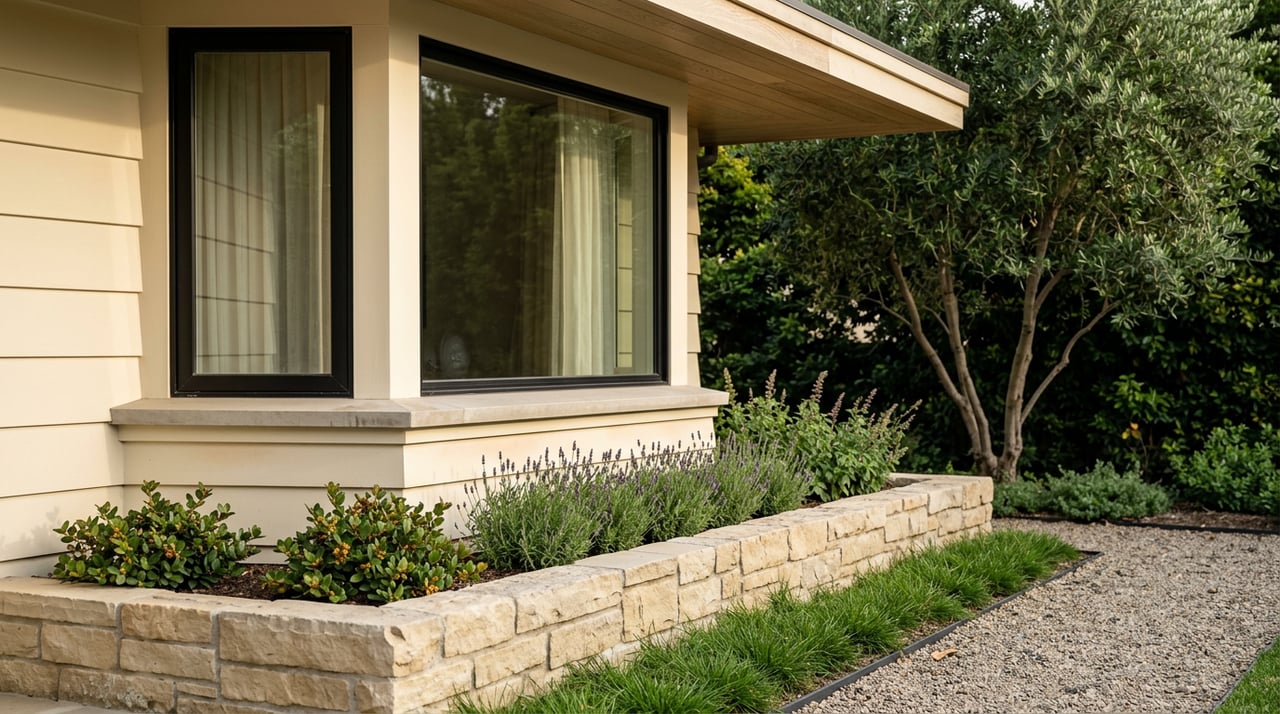
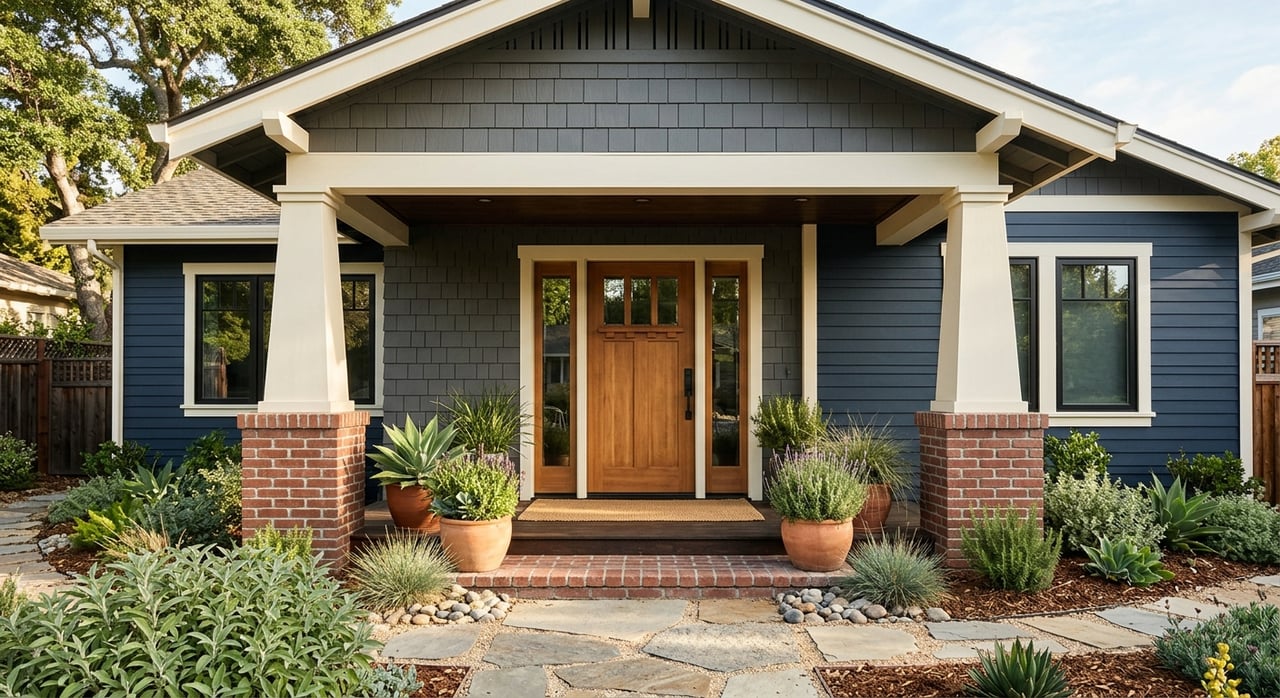
For buyers comparing West San Jose with nearby Cupertino or Campbell, this housing style can feel familiar and practical. These older neighborhoods often offer established street grids, mature landscaping, and homes with a less interchangeable feel than newer master-planned developments.
That does not mean every property is the same. In this area, you may see original-condition homes, remodeled homes, and houses with clear renovation potential, depending on the block and price point.
From a real estate strategy perspective, that mix can create opportunity. If you value location and neighborhood feel, this part of West San Jose often gives you multiple ways to enter the market, whether you want something move-in ready or a property with upside.
Why the border location feels strategic
Some buyers are drawn to this pocket because it offers adjacency to Cupertino and Campbell without being limited to those city lines. That can matter when you are trying to balance lifestyle goals, commute routes, housing type, and overall value.
The city documents do not frame this as a marketing slogan, but the logic is clear. You are near major retail nodes, near transit corridors, and close to freeway and expressway access, while still surrounded by many older residential areas that feel settled.
In plain terms, this is why buyers often see West San Jose near the Cupertino and Campbell border as a smart alternative. It gives you a connected location with practical daily convenience and a more established neighborhood rhythm.
Is this area right for you?
This part of West San Jose may be a strong fit if you want a neighborhood that supports real life well. You may appreciate it if your priorities include nearby shopping, multiple commute options, older housing stock, and access to both local amenities and neighboring city corridors.
It can also be a good fit if you prefer a location that feels balanced rather than extreme. It is not purely suburban in the isolated sense, and it is not highly urban either. Instead, it offers a blend of residential calm and corridor convenience that many Bay Area buyers find compelling.
If you are evaluating West San Jose block by block, the details matter. Street position, corridor proximity, home condition, and commute patterns can all shape whether a specific property feels like the right match for your goals.
If you want help weighing those tradeoffs with a calm, data-aware approach, connect with magic li for a free strategy call.
FAQs
What is the everyday feel of West San Jose near the Cupertino and Campbell border?
- It is mostly suburban in feel, with more active commercial pockets along Saratoga Avenue, Winchester Boulevard, and Stevens Creek Boulevard.
What kinds of homes are common in West San Jose near Saratoga Avenue?
- Postwar ranch-era housing is common here, especially tract ranch homes, along with some mid-century modern and custom ranch examples.
What makes West San Jose near Cupertino and Campbell appealing to buyers?
- Buyers often like the combination of adjacency to Cupertino and Campbell, convenient shopping corridors, transit access, and established residential streets.
What shopping and amenities are notable in this part of West San Jose?
- Notable amenities include Westgate Shopping Center, Santana Row, Winchester Mystery House, San Tomas Aquino Creek Trail, local parks, libraries, and community facilities.
What transit options serve West San Jose near Winchester and Stevens Creek?
- Relevant options include VTA Route 23, Route 25, Route 55, Rapid 523, Route 60, and the Green Line at Winchester serving Campbell Station.