If Palo Alto seems hard to sum up, that is part of what makes it so distinct. You can feel the pull of Stanford, the energy of Silicon Valley, and the calm of established residential streets all in the same day. If you are trying to understand what gives Palo Alto its identity, the answer is not just tech or prestige. It is the way history, design, public space, and daily life all fit together. Let’s dive in.
Palo Alto starts with Stanford
Palo Alto’s character makes more sense when you start with Stanford University. Stanford was founded in Palo Alto in 1885, and its influence has shaped the city for well over a century.
That academic foundation later expanded into innovation in a very direct way. Stanford Research Park was developed in 1951, and Stanford describes it as a 700-acre site with more than 150 companies and about 29,000 employees. That helps explain why Palo Alto feels both scholarly and entrepreneurial at the same time.
What stands out is that the city did not become an innovation center by wiping away everything that came before. Instead, Palo Alto still holds onto a residential, preservation-minded core. That balance is a big part of what gives the city its lasting appeal.
Historic neighborhoods shape the feel
One of the clearest ways to understand Palo Alto is to look at its historic fabric. The city’s Historic Inventory, first adopted in 1979, officially identifies noteworthy historic sites, structures, and districts.
This matters because Palo Alto’s identity is not only about major institutions or employers. It is also about the form of its neighborhoods, the scale of its streets, and the way older areas have been recognized and preserved.
Professorville shows early Palo Alto
Professorville is one of the city’s best-known historic residential districts. It covers about 65 acres and 186 residential parcels, with most buildings dating from Palo Alto’s first major development wave from the 1890s through the 1930s.
City guidance says the district’s character comes from more than individual homes. It also comes from lot patterns, front yards, mature trees, low fences, and the relationship between houses and the sidewalk. In other words, the feeling of the neighborhood is built into the whole streetscape.
That point is important if you are evaluating Palo Alto as more than a collection of addresses. The city’s identity often lives in the small physical details you notice while walking, not just in headline landmarks.
Architecture is varied, not one-note
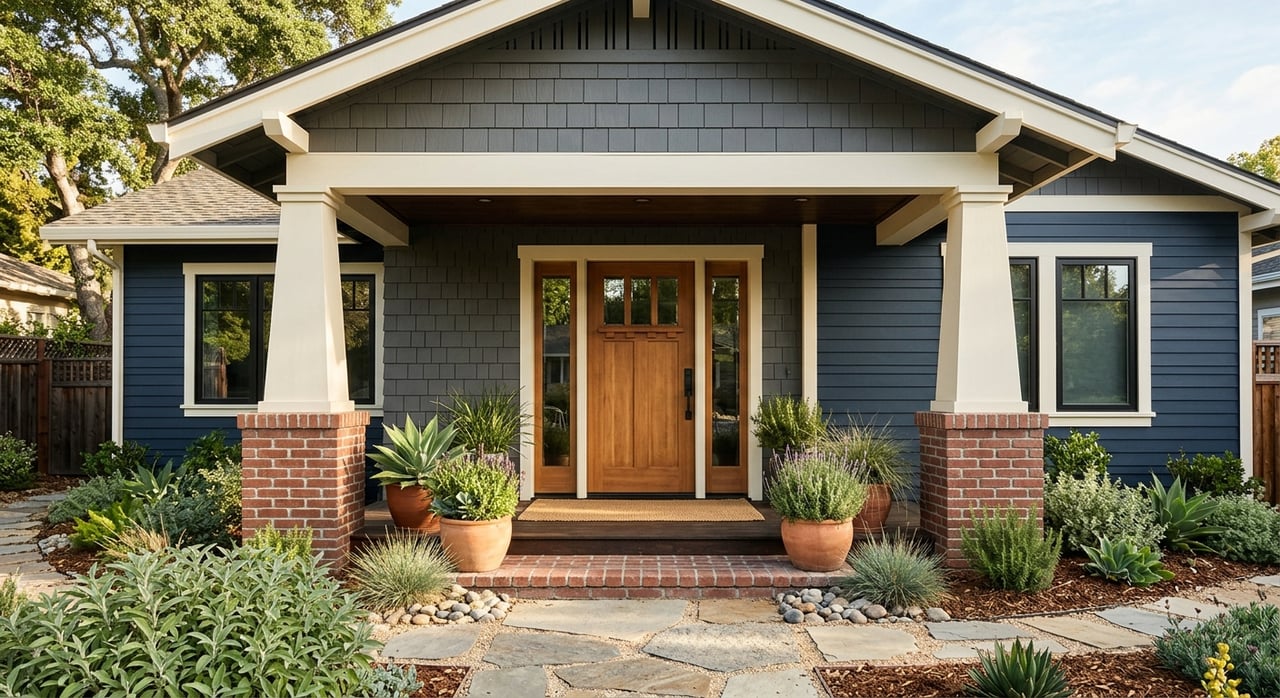
Older Palo Alto neighborhoods are not defined by a single look. In Professorville, the city inventory includes Craftsman, Colonial Revival, Tudor Revival, Spanish Colonial Revival, and related neotraditional styles.
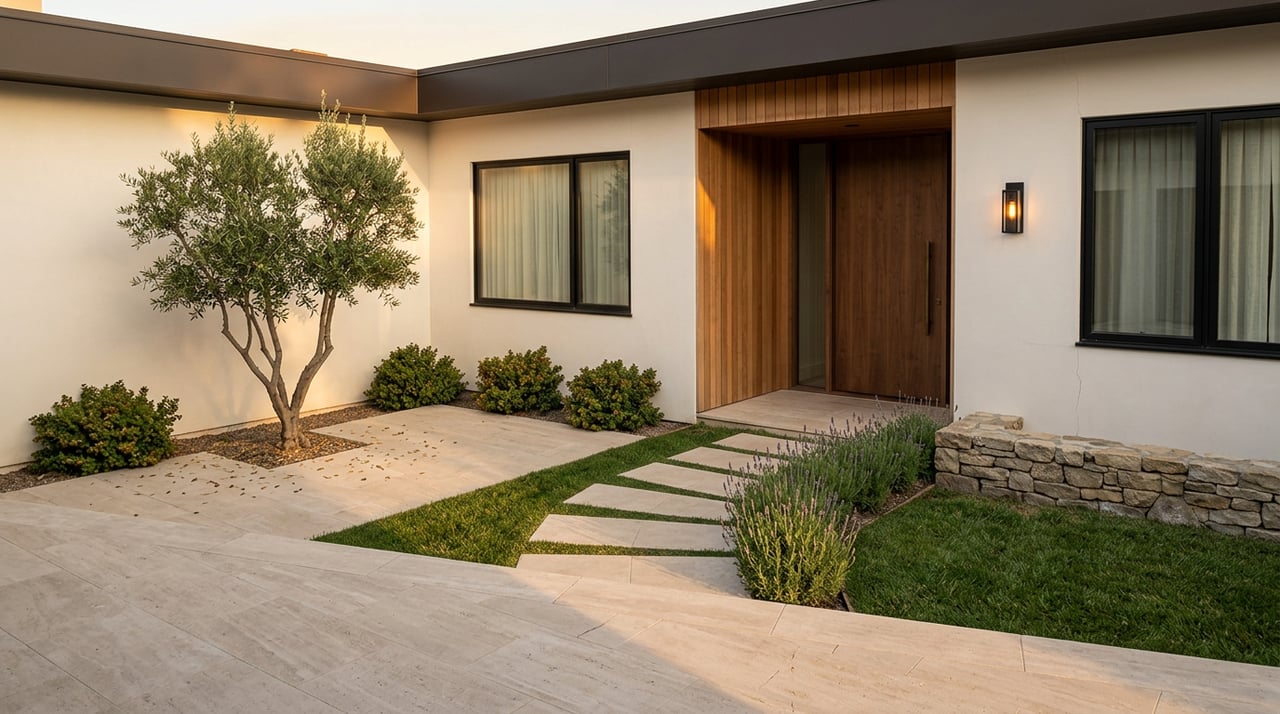
Later neighborhoods add another layer. City guidance for Eichler neighborhoods highlights mid-century modern design, curving streets, mature tree canopy, open front yards, and a sense that smaller lots can feel larger because of shared landscape and indoor-outdoor living.
This mix gives Palo Alto visual depth. It feels established, but not repetitive. You can move through different parts of the city and still sense a shared character without every block looking the same.
Birge Clark left a lasting mark
If one architect helps explain Palo Alto’s visual identity, it is Birge M. Clark. The city describes him as the most influential architect in Palo Alto’s history and credits his Spanish Colonial Revival and Early California work with shaping much of the city’s current character.
That influence shows up in the broader look and feel many people associate with Palo Alto. Rather than reading as purely modern or purely historic, the city often feels layered and designed with continuity in mind.
Commercial areas stay human-scale
Palo Alto is also defined by the way its public-facing districts function. City planning materials describe an ongoing balance between growth, neighborhood preservation, attractive buildings and public spaces, and thriving commercial areas.
That planning goal matches what many people experience on the ground. Even in a globally recognized innovation hub, key commercial areas still feel walkable and closely tied to daily life.
University Avenue is the symbolic center
Downtown University Avenue remains the symbolic center of Palo Alto. City documents describe it as a thriving regional hub of commercial, residential, and retail activity oriented around the University Avenue transit station.
Another city report says downtown has retained a pedestrian-scale ambiance and many historic buildings, along with a combination of small-town accessibility and urban ambience. That combination helps explain why downtown Palo Alto can feel active without feeling oversized.
For many people, this is where the city’s dual identity becomes most visible. You see a place that serves a regional role, yet still feels rooted in human-scale design.
California Avenue offers a different rhythm
California Avenue plays a different role. The city calls it Palo Alto’s second main street and describes it as more local-serving than University Avenue and Downtown.
It is also the closest business district to Stanford Research Park and parts of Stanford University. City documents describe many of its buildings as one- and two-story structures with rear-alley parking and a scale that is comfortable for pedestrians.
A recent streetscape project added wider sidewalks, new crosswalks, updated lighting, street furniture, and street trees. Those upgrades reinforce the village-like feel that makes California Avenue distinct within the city.
Palo Alto feels like connected village nodes
Taken together, these corridors help Palo Alto feel less like one concentrated downtown and more like a set of walkable, human-scale centers. That pattern matters because it changes how you experience the city in everyday life.
Instead of feeling dominated by one core, Palo Alto often feels distributed and legible. You can move between different districts and still get a strong sense of place.
The public realm supports daily life
Character is not only about architecture. It is also about what a place feels like to live in day to day.
Palo Alto is small enough to be understandable at a neighborhood level, yet large enough to have meaningful internal variety. The Census estimates 67,609 residents in 2025, which supports that balance between intimacy and complexity.
The city is globally connected
Palo Alto’s population profile points to a highly educated and internationally connected community. Census data shows 82.3% of adults hold at least a bachelor’s degree, 37.0% of residents are foreign-born, and 42.3% speak a language other than English at home.
Those numbers help explain part of the city’s social texture. Palo Alto often feels local and global at once, with strong ties to higher education, research, and international talent.
Housing patterns suggest stability
Housing data adds another layer. The owner-occupied rate is 54.6%, median owner-occupied home value is reported as $2,000,000+, and 85.7% of residents lived in the same house one year earlier.
While no single data point can define a community, these figures suggest a city with a meaningful base of established homeowners alongside professionals connected to the region’s dynamic economy. That mix can contribute to the steady, well-kept feel many buyers and homeowners notice.
Trees and open landscapes matter
Palo Alto’s public realm is one of its most defining features. The city’s tree inventory lists more than 40,000 city-owned trees, and the city describes its urban forest as spanning parks, campuses, residences, and street-side plantings.
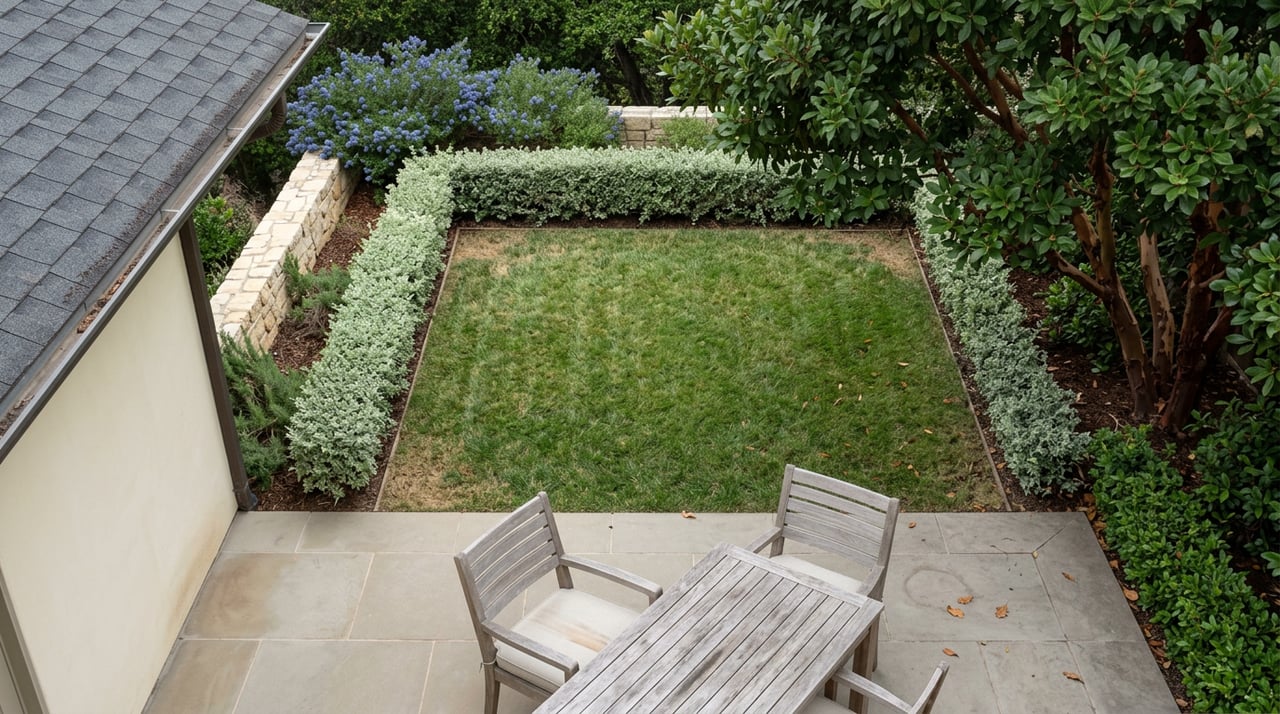
In older districts, city guidelines point again to mature trees, front yards, low fences, and open landscape as defining parts of the streetscape. The result is a city that often feels shaded, carefully maintained, and residentially scaled even near major employment centers and transit activity.
Preservation and progress coexist
What really defines Palo Alto’s character is not just wealth, education, or proximity to major employers. It is the city’s ability to hold together elements that often pull in different directions.
It is a university town and an innovation center. It is historically minded and economically forward-looking. It has regionally important commercial districts, yet many of its most memorable qualities come from trees, sidewalks, front yards, and neighborhood-scale design.
That tension is not a flaw. It is the point. Palo Alto feels distinctive because it has grown without becoming generic.
Why this matters if you are buying or selling
If you are buying in Palo Alto, understanding the city’s character can help you evaluate more than square footage or commute time. The details that shape value here often include streetscape, architectural context, public realm quality, and how a neighborhood connects to the city’s larger identity.
If you are selling, those same factors can shape how your home is positioned. In a market like Palo Alto, buyers often respond not only to the home itself but also to the story of the setting around it.
That is why local context matters. A calm, detailed reading of place often leads to better decisions than relying on broad Silicon Valley labels alone.
If you are thinking about buying or selling in Palo Alto, magic li can help you understand the market with a strategic, data-aware, and neighborhood-specific approach.
FAQs
What makes Palo Alto different from other Silicon Valley cities?
- Palo Alto stands out for its combination of Stanford influence, innovation economy, historic neighborhoods, walkable commercial districts, and a residential streetscape shaped by mature trees, front yards, and preservation-minded planning.
What defines Palo Alto’s historic residential character?
- City materials point to districts like Professorville, where character comes from more than architecture alone. Lot layout, front-yard patterns, mature trees, low fences, and the relationship between houses and sidewalks all play a role.
What is the role of Stanford in Palo Alto’s identity?
- Stanford has shaped Palo Alto since the university was founded in 1885. Its influence expanded with Stanford Research Park, developed in 1951, which Stanford describes as a 700-acre site with more than 150 companies and about 29,000 employees.
What are Palo Alto’s main commercial districts like?
- University Avenue is the city’s symbolic downtown center, while California Avenue functions as a more local-serving second main street with a pedestrian-friendly, village-like scale.
Why do Palo Alto neighborhoods often feel so green and shaded?
- The city’s public realm includes more than 40,000 city-owned trees, and city guidelines for older neighborhoods emphasize mature tree canopy, open landscape, and front-yard patterns as key parts of the streetscape.
How can Palo Alto’s character affect home values and buyer interest?
- In Palo Alto, buyer interest can be influenced by more than the home itself. Streetscape, architectural context, tree canopy, pedestrian scale, and proximity to established commercial nodes can all shape how a property is perceived.