Wondering whether you should remodel before listing your Cupertino home? In a market where homes move quickly and buyers still pay close attention to condition, the right pre-sale upgrades can help you protect value without wasting time or money. The key is knowing which changes improve presentation, reduce buyer hesitation, and fit your listing timeline. Let’s dive in.
Why smart prep matters in Cupertino
Cupertino remains a high-value seller market. Redfin reported a March 2026 median sale price of $3.359 million, about four offers on average, and a median of nine days on market. In a fast-moving environment like this, buyers may act quickly, but they still notice visible wear, dated finishes, and anything that makes a home feel less move-in ready.
That matters even more in a city with many homes built during Cupertino’s major growth years from the 1960s through the 1980s. The housing stock includes many single-family subdivisions, along with multi-family housing along major boulevards. In that mix, presentation often has a bigger impact than an expensive reconfiguration.
There is also a practical reason to stay strategic. According to NAR’s 2025 Remodeling Impact Report, 46% of buyers are less willing to compromise on the condition of the home. That does not mean you need a full remodel. It means you should focus first on what buyers see, feel, and question right away.
Start with the upgrades buyers notice first
If your goal is to sell efficiently, begin with the items that most affect photos, showings, and first impressions. In many Cupertino homes, that means cosmetic updates before major construction.
Paint gives the fastest visual lift
Fresh paint is often the simplest and most effective first step. NAR’s 2025 Remodeling Impact Report says real estate professionals most often recommend painting the entire home or painting one room before selling.
In Cupertino, painting and similar finish work generally do not require a permit. That makes paint especially useful when you want to improve the look of the home without adding review time or project complexity.
A clean, neutral paint palette can brighten rooms, help listing photos look more polished, and make the home feel better cared for. If walls are marked up, heavily personalized, or dated in color, paint usually offers strong return on effort.
Flooring helps when condition feels uneven
Flooring is another high-impact update when the existing surfaces are worn or visually inconsistent. New wood flooring appears among the more notable projects in NAR’s 2025 report, and flooring replacement in Cupertino is generally permit-free when it stays within cosmetic scope.
That said, flooring is not automatically a must-do. It makes the most sense when the current floors are stained, damaged, mismatched from room to room, or obviously aging the home in key spaces. If your flooring is already cohesive and in good shape, your money may be better spent elsewhere.
Curb appeal shapes the first impression
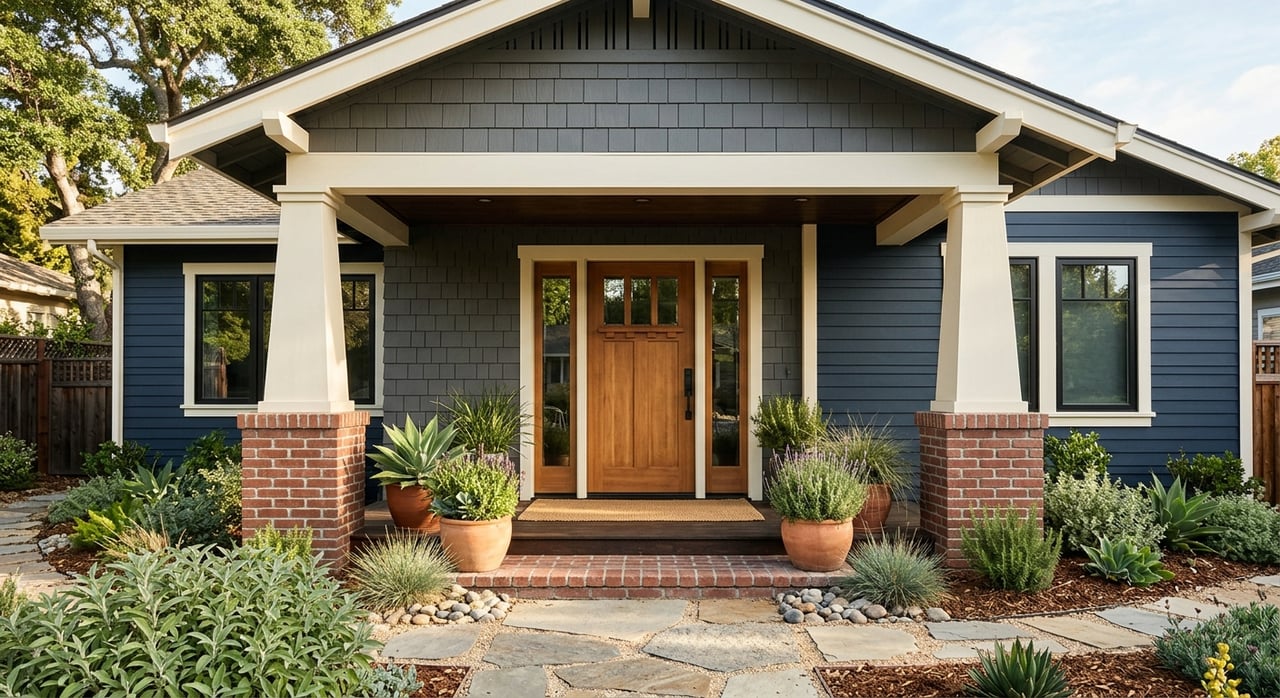
Before buyers ever walk inside, they start forming an opinion from the street. NAR’s 2025 Outdoor Features report says 92% of real estate professionals have suggested sellers improve curb appeal before listing, and nearly all surveyed said curb appeal is important to attracting buyers.
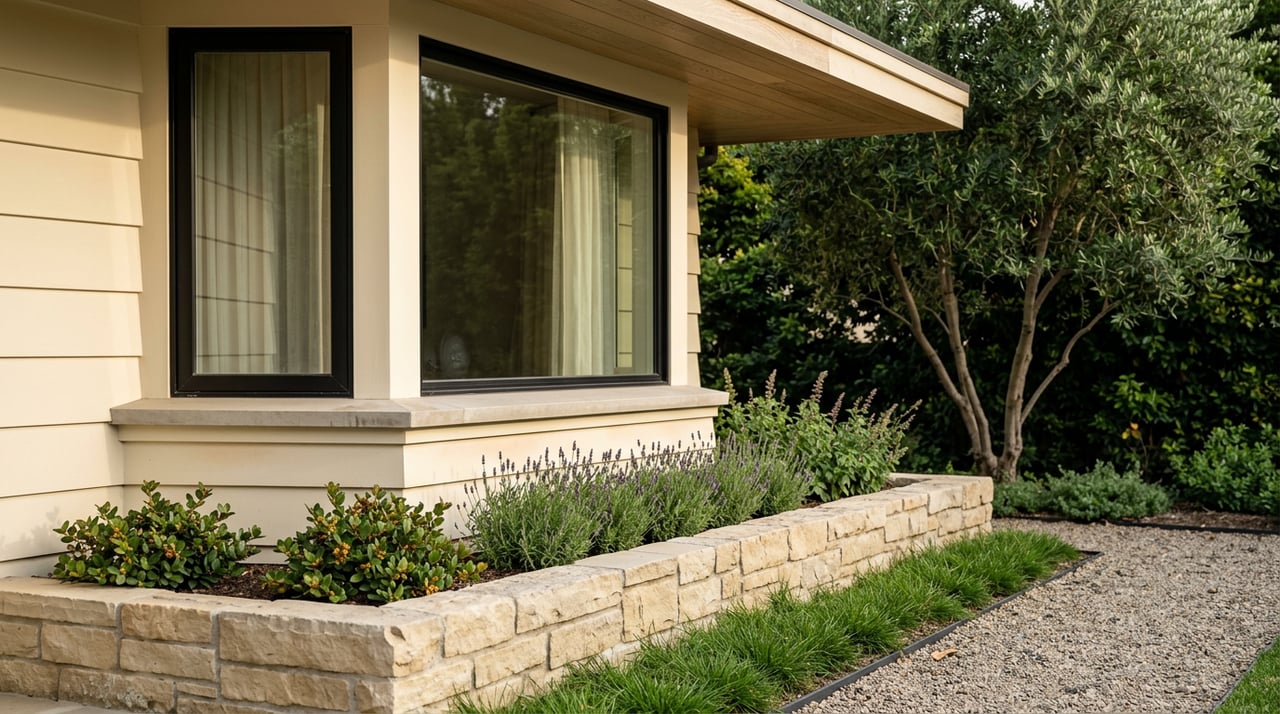
Simple outdoor improvements can go a long way. Tidying the front yard, refreshing mulch, trimming plantings, and making the entry feel clean and welcoming can strengthen early impressions without turning into a major project.
Be careful with major remodels
A bigger renovation is sometimes worth it, but not by default. If your kitchen or bathrooms are significantly dated and clearly hurting the home’s marketability, targeted updates may help. Still, the resale math often favors selective improvements over full gut jobs.
NAR’s 2025 data puts estimated cost recovery for a minor kitchen upgrade at 60%, a complete kitchen renovation at 60%, and a bathroom renovation at 50%. A bathroom addition came in at 56%, while a new primary suite came in at 54%.
That data is useful because it shows a common seller mistake. Spending more does not always mean getting more back. In fact, NAR’s summary highlights that smaller projects such as a new steel front door, closet renovation, or fiberglass front door often show stronger cost recovery than large-scale remodels.
Permits can slow your timeline
In Cupertino, cosmetic finish work is usually easier to complete quickly because it does not require permit review. But if your project crosses into remodeling, electrical, plumbing, or mechanical work, the city requires a building permit.
The city currently says initial plan review averages 20 to 30 business days, and each subsequent review takes 10 to 20 business days. If you are trying to hit a specific listing window, that timing matters.
For many sellers, this is the tipping point. If a major remodel will delay your listing and the current condition is not causing a major pricing penalty, lighter updates often make more financial sense.
Use a simple decision framework
If you are unsure where to spend, this framework can keep the prep plan clear and practical.
1. Fix what creates buyer doubt
Start with anything that affects visible condition, perceived care, or how the home appears in photos. Buyers may move fast in Cupertino, but they still react to stained flooring, chipped paint, worn finishes, and obvious deferred maintenance.
If a buyer sees issues right away, they may wonder what else has been neglected. That uncertainty can affect both offer strength and confidence.
2. Prioritize cosmetic work when time is short
If you want to get on the market quickly, permit-free finish work usually gives you the best speed-to-impact ratio. Paint, carpeting, cabinets, countertops, and similar finish updates are generally easier to schedule than projects that need city review.
This can be especially important if you are balancing a move, work schedule, or purchase timeline. A shorter prep cycle often reduces stress while still improving marketability.
3. Choose bigger remodels only when needed
A larger renovation should solve a real pricing problem, not just satisfy a wish list. If a dated kitchen or bathroom is likely to drag down offers more than the cost and delay of updating it, the project may be worth considering.
If not, keep the plan lean. In many cases, buyers respond well to a home that feels clean, bright, and well presented, even if every finish is not brand new.
4. Let the property type guide the scope
Older single-family homes in Cupertino often benefit most from neutral paint, more consistent flooring, front-yard cleanup, and staging. These updates can modernize the feel of the home without changing the floor plan.
Attached homes and newer infill properties often need a lighter prep plan. In those homes, presentation, storage, decluttering, and finish consistency may matter more than major construction.
Don’t overlook staging
Staging is often one of the smartest finishing moves, especially in a market where presentation can influence both traffic and perceived value. NAR’s 2025 staging report found that 29% of agents said staging led to a 1% to 10% increase in the dollar value offered, while 49% said staging reduced time on market.
The median cost for using a staging service was $1,500. In a market where home values are well above $3 million, that can be a relatively modest investment if the home already functions well but needs stronger visual storytelling.
Buyers most often cared about the living room, primary bedroom, and kitchen. Sellers’ agents most commonly recommended decluttering, cleaning the entire home, and improving curb appeal. In other words, staging works best when it is part of a broader presentation plan, not a substitute for basic prep.
Plan landscaping carefully
Outdoor improvements can help, but large landscape changes need careful planning in Cupertino. If you are considering reworking the front yard, it is smart to review the city’s water-efficient landscape checklist, which emphasizes low-water or native plants, hydrozones, mulch, and automatic irrigation controllers for compliant projects.
There may also be savings available. Valley Water offers rebates for low-water landscape conversion, drip irrigation, rain capture, and related upgrades. Its landscape rebate page says residential sites can qualify for up to $3,000, with a base landscape conversion rebate of $2 per square foot.
Watch out for tree rules
If your landscaping plan includes tree removal or major pruning, pause before starting. Cupertino has rules for protected trees on private property, and removal requires going through the city’s permitting process.
The city also says applying before removal is much less expensive than seeking a retroactive permit. If mature trees are part of your front-yard cleanup plan, check the rules early so a curb appeal project does not turn into an avoidable delay or expense.
A practical prep plan for Cupertino sellers
If you want a balanced approach, here is a practical order of operations for many Cupertino homes:
- Clean and declutter the entire home.
- Repair anything that creates immediate buyer concern.
- Repaint walls if colors, wear, or lighting make the home feel dated.
- Replace or unify flooring if the current surfaces distract.
- Refresh the front yard and entry for curb appeal.
- Stage the rooms buyers focus on most.
- Consider kitchen or bath updates only if current condition is clearly limiting value.
This type of plan works because it aligns effort with what buyers are most likely to notice. It also helps you avoid over-improving for a market that already moves quickly.
The goal is not perfection
The best pre-sale strategy is rarely about making your home perfect. It is about making smart decisions that improve confidence, strengthen presentation, and support your pricing position.
In Cupertino, where homes can move fast and values are high, thoughtful preparation often beats oversized renovation plans. If you focus on visible condition, efficient upgrades, and a clean listing timeline, you can put your home in a stronger position without unnecessary cost or delay.
If you want a calm, numbers-driven plan for what to fix, what to skip, and how to prepare your Cupertino home for market, magic li can help you build a strategy around your timing, property type, and sale goals.
FAQs
What pre-sale upgrades usually matter most for a Cupertino home sale?
- Cosmetic updates with strong visual impact usually matter most, especially paint, flooring improvements where needed, curb appeal, decluttering, cleaning, and staging.
Does painting a home in Cupertino require a permit before listing?
- No. Cupertino generally does not require a permit for painting and similar finish work such as papering, tiling, carpeting, cabinets, and countertops.
Should you remodel the kitchen before selling a home in Cupertino?
- Only if the current kitchen is likely to create a clear pricing penalty or buyer hesitation that outweighs the cost and delay of the project.
How fast do homes sell in Cupertino right now?
- Redfin reported a median of nine days on market in March 2026, with about four offers on average.
What should Cupertino sellers know before changing the front yard?
- Review local water-efficient landscape guidance first, and check protected-tree rules before any tree removal or major pruning since those actions can require permits.
Is staging worth it for a Cupertino seller?
- Often, yes. NAR’s 2025 staging report found that staging was linked by many agents to higher offered dollar value and reduced time on market.