If you want multiple offers in Redwood City, hoping for them is not a strategy. In a market where homes often move fast and buyers compare every detail online before they ever step through the door, the homes that win attention are usually the ones that feel clean, prepared, and correctly priced from day one. If you are planning to sell in the next 6 to 12 months, this guide will show you how to prepare your home to attract stronger interest and put yourself in a better position when offers come in. Let’s dive in.
Understand the Redwood City market
Redwood City remains a fast-moving market. March 2026 data from Redfin shows homes selling in about 10 days, with many properties receiving multiple offers and the average sale closing about 6% above list price.
Zillow’s March 31, 2026 city snapshot shows about 102 homes for sale, a typical home value near $1.90 million, and homes going pending in about 18 days. In plain terms, buyers are active, inventory is still limited, and your launch strategy matters.
That does not mean every home will automatically attract a bidding war. In a competitive market, buyers tend to move quickly toward homes that feel well cared for, easy to understand, and worth the asking price.
Start with disclosures and risk review
Before you think about paint colors or staging, start with the property facts. California sellers of 1 to 4 unit homes typically use the Transfer Disclosure Statement to disclose the home’s physical condition and any known hazards or defects.
California also requires listing and selling agents to complete a reasonably competent visual inspection of accessible areas and disclose material facts that affect value, desirability, or intended use. That means issues are better addressed early rather than discovered in the middle of escrow.
You should also check whether your property falls within a mapped natural hazard area. If relevant hazard maps or reports identify seismic, flood, fire, or related zones, Natural Hazard Disclosure rules apply.
In Redwood City, this step matters even more for some properties. The city notes ongoing sea-level-rise vulnerability work, and updated FEMA flood maps have added parcels to Special Flood Hazard Areas, where flood insurance can be required for federally backed financing or significant redevelopment.
What to verify early
- Permit history
- Title records
- Likely disclosure package
- Natural hazard zones
- Past repairs, upgrades, or improvements
Getting this information upfront helps you avoid last-minute scrambling. It also gives buyers more confidence because your listing feels organized and transparent.
Consider a pre-listing inspection
A pre-listing home inspection is optional, but it can be one of the smartest preparation steps. It gives you a chance to learn about issues before a buyer’s inspector finds them.
That matters because surprises often lead to price renegotiation, repair demands, or delayed timelines. If you know what needs attention in advance, you can decide what to fix, what to disclose, and how to price with clearer eyes.
For homes built before 1978, there is another layer to consider. Federal lead disclosure rules apply, and any paid renovation work that disturbs paint should follow lead-safe rules.
Why a pre-listing inspection helps
- Reduces the risk of surprise repair negotiations
- Helps you prioritize repairs that matter most
- Supports cleaner disclosures
- Makes pricing decisions more informed
In a market like Redwood City, clarity creates momentum. The easier it is for buyers to understand the condition of the home, the easier it is for them to write confidently.
Focus repairs on buyer objections
If your goal is to attract multiple offers, not every dollar should go into a major remodel. Research cited by NAR shows that smaller, visible projects often make more sense for sellers than big discretionary overhauls, especially if you plan to list within 6 to 12 months.
In practice, Redwood City sellers often benefit more from removing obvious buyer objections than from chasing a full renovation. Buyers notice deferred maintenance, unfinished details, worn surfaces, and anything that signals future work.
That means your prep budget is often best spent on simple, high-impact improvements. Think about the things a buyer will notice in the first few minutes, both online and in person.
High-impact updates to prioritize
- Fresh interior or exterior touch-up paint
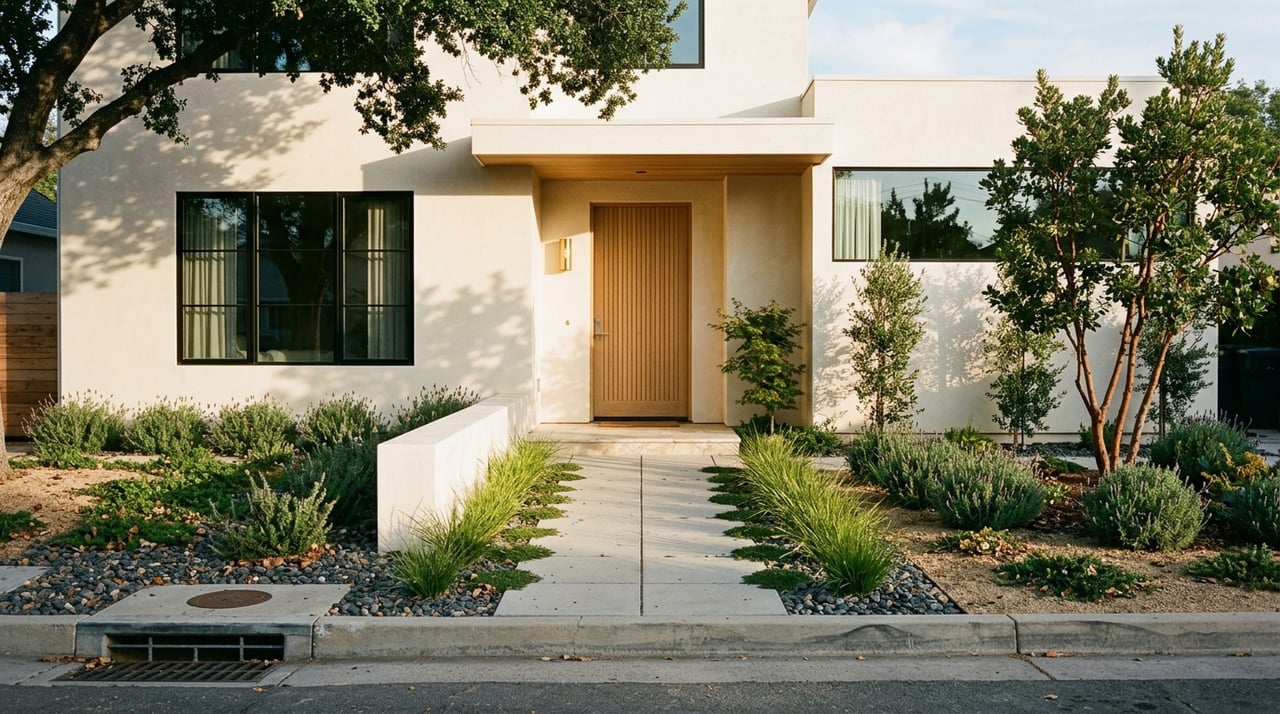
- Front door refresh or updated hardware
- Improved lighting
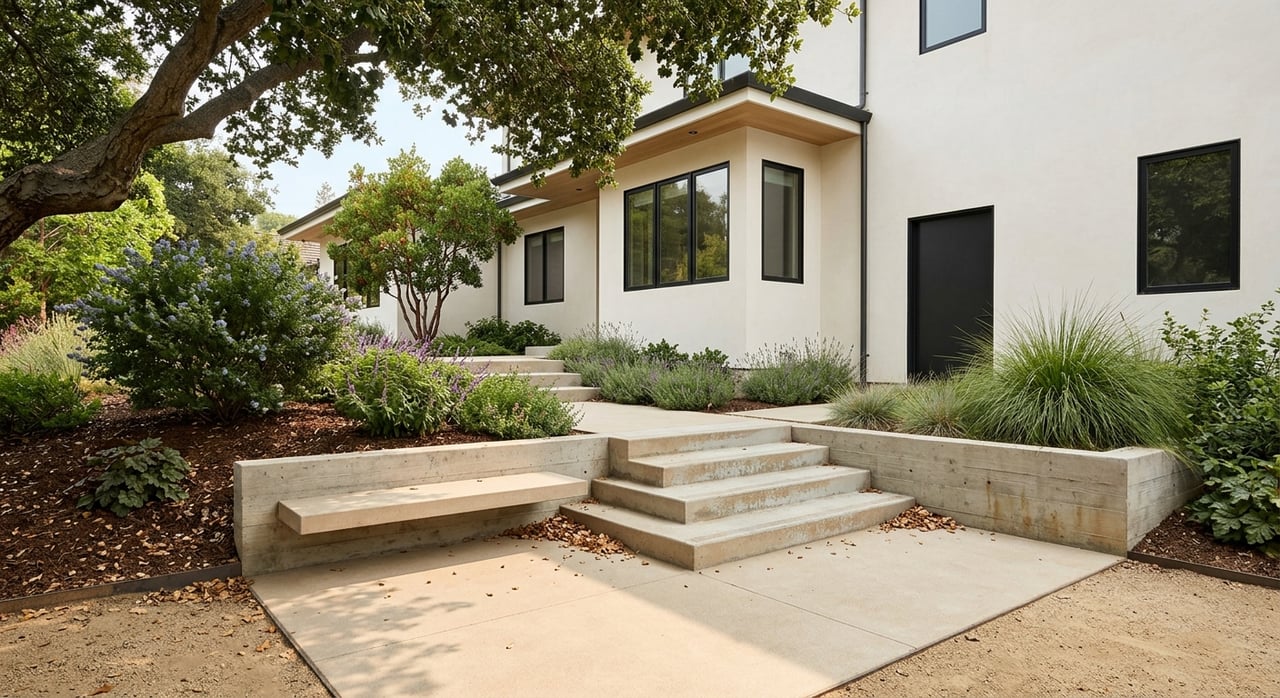
- Basic landscaping and cleanup
- Repairs to anything visibly broken, worn, or unfinished
- Cosmetic fixes that make the home feel maintained
NAR’s remodeling overview highlights garage door replacement, steel entry door replacement, and a minor kitchen remodel among stronger-return projects nationally. It also reports that 97% of REALTORS believe curb appeal is important in attracting a buyer.
That lines up with what buyers respond to in Redwood City. The goal is not to make your house look overdone. The goal is to make it feel move-in ready, cared for, and easy to say yes to.
Check permits before bigger work
Redwood City’s permit pages note that even minor residential remodels may require One Stop review or a permit process. Before opening walls, changing structural elements, or starting larger upgrades, verify permit requirements first.
If your home was built before 1978 and the work may disturb paint, plan for lead-safe work practices as part of that process. Early planning helps you avoid compliance issues and project delays.
Stage for today’s buyer behavior
Buyers do not experience your home the same way you do. They usually meet it first through photos, then compare it with several other homes, and only then decide whether it feels worth visiting.
That is why staging matters. NAR’s 2025 staging survey found that 83% of buyers’ agents said staging made it easier for buyers to visualize a property as a future home. It also found that 29% of agents said staging led to a 1% to 10% increase in the dollar value offered.
Nearly half of sellers’ agents in that survey said staging reduced time on market. The median staging-service cost reported was $1,500, and only 21% of sellers’ agents said they stage all listings, which suggests selective staging is common when budgets are limited.
Rooms to stage first
- Living room
- Primary bedroom
- Kitchen
- Dining room
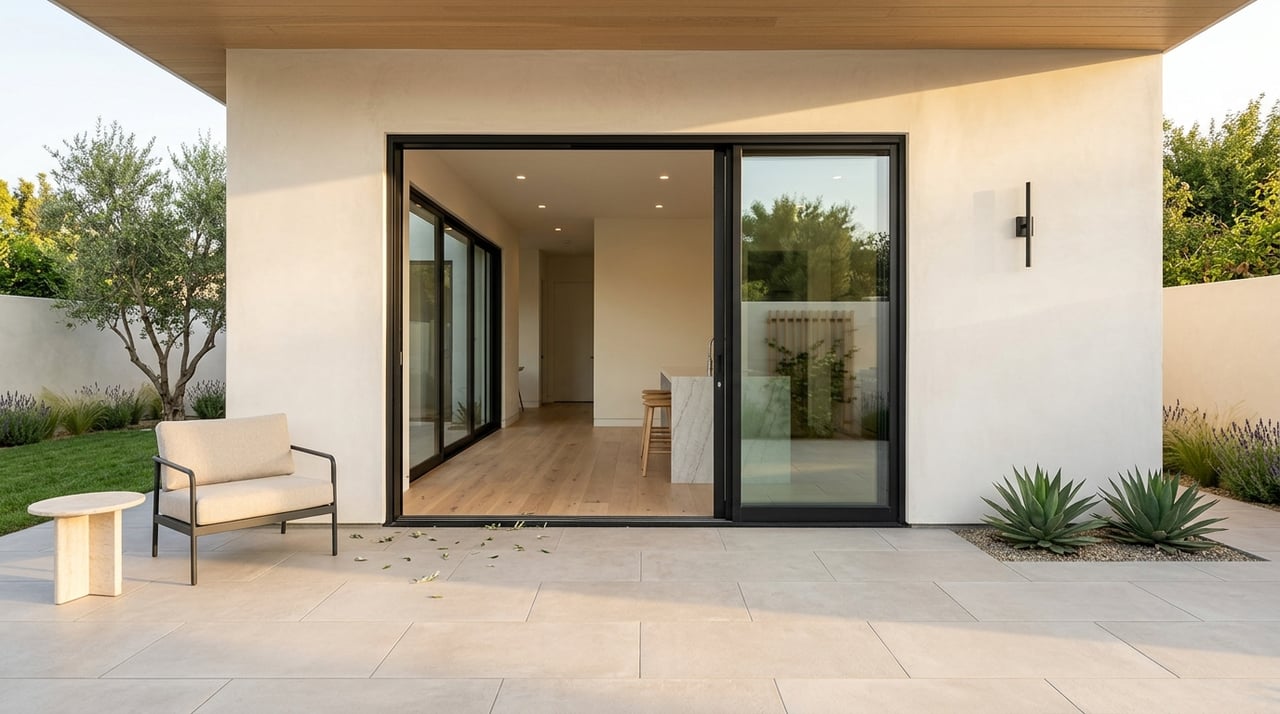
- Outdoor spaces
If your budget does not support full-home staging, focus on the rooms that shape first impressions and listing photos. That can still have a meaningful impact.
If full staging is not the plan
You do not always need a fully staged house to look market-ready. Decluttering, editing furniture, improving layout flow, and correcting visible flaws can go a long way.
NAR also reports that photos, traditional staging, video tours, and virtual tours are highly important to buyers. That means your home needs to show well both in person and online.
Make your launch look polished
A multiple-offer outcome often starts before the first showing. If your home looks rushed, inconsistent, or unfinished in photos, some buyers may scroll past before ever learning its strengths.
That is why presentation should feel coordinated. Clean rooms, balanced lighting, simple decor, tidy outdoor areas, and a consistent visual story can make your home feel more valuable and more approachable.
Professional photo and video marketing are especially important when buyers are moving fast. In a market where homes can go pending in days, your first impression has a short window to do a lot of work.
Price to create competition
This is one of the biggest mistakes sellers make. In a strong market, it can be tempting to price high and see what happens. But in Redwood City, overpricing can narrow your buyer pool at the exact moment you want the most attention.
NAR’s pricing guidance says asking price recommendations typically consider home size, location, amenities, condition, recent comparable sales, market conditions, seller timeline, and any upgrades or needed repairs. It also notes that a seller may choose a more competitive price when speed matters.
In a market where multiple offers are possible, pricing should create interest, not test the market. A clean, repaired, staged home priced from recent comps is more likely to attract broad attention than a similar home priced high and reduced later.
Why early pricing matters
- It expands the pool of interested buyers
- It creates urgency in the first days on market
- It supports stronger showing activity
- It increases the chance of multiple offers
The first week matters most. Buyer response in those opening days often tells you whether the launch strategy is working.
Remember that the best offer is not always the highest
Attracting multiple offers is the goal, but choosing between them takes care. NAR’s multiple-offers guidance emphasizes that the strongest offer is not always the one with the highest price.
Closing timeline, contingencies, earnest money, and financing terms all matter. A slightly lower offer with cleaner terms may bring less risk and a smoother path to closing.
That is why preparation matters so much. When your home is well presented, clearly disclosed, and priced strategically, you are more likely to attract buyers who feel confident making strong, clean offers.
A practical 6 to 12 month prep plan
If you are thinking ahead, a simple sequence can keep the process calm and efficient. You do not need to do everything at once.
Step 1: Review the property file
Verify permit history, title records, hazard zones, and the expected disclosure set. This gives you a clean starting point.
Step 2: Inspect before listing
Order a pre-listing inspection and gather quotes for repairs or any lead-safe work that may be needed. This helps you make decisions based on facts, not guesses.
Step 3: Fix what buyers notice
Focus on repairs and cosmetic updates that remove objections. Skip major projects unless there is a clear reason and verified permit path.
Step 4: Stage key spaces
Prioritize the living areas, kitchen, primary bedroom, dining area, and outdoor spaces. Make sure the home also shows well in photos and video.
Step 5: Launch with data-driven pricing
Price from recent comparable sales and current market conditions, then review buyer response quickly in the first days on market. Strong preparation gives pricing a better chance to work.
Selling in Redwood City can move quickly, but a fast market still rewards thoughtful preparation. If you want buyers to compete, your home should feel easy to love, easy to understand, and easy to act on.
That usually comes down to a few smart moves: clean disclosures, early inspection, visible repairs, polished presentation, and pricing that invites attention. If you are planning a sale in Redwood City, a calm, strategic prep plan can make a meaningful difference in both your outcome and your stress level.
If you want a clear plan for what to fix, what to skip, and how to position your home for the strongest response, magic li can help you map out the prep, pricing, staging, and launch strategy with a steady, data-informed approach.
FAQs
What helps a Redwood City home attract multiple offers?
- A Redwood City home is more likely to attract multiple offers when it launches clean, repaired, staged, clearly disclosed, and priced from recent comparable sales rather than priced high and adjusted later.
Should you get a pre-listing inspection before selling in Redwood City?
- A pre-listing inspection is optional, but it can help surface issues before a buyer’s inspection, which may reduce renegotiation risk and help you plan repairs and disclosures more confidently.
What home updates matter most before listing in Redwood City?
- Visible, high-impact updates often matter most, including paint touch-ups, lighting, front-door refreshes, basic landscaping, and repairs to anything that looks deferred, broken, or unfinished.
Do sellers need to check flood or hazard zones in Redwood City?
- Yes, sellers should check whether the property falls within mapped hazard zones because Natural Hazard Disclosure rules may apply, and some Redwood City parcels may be affected by updated flood map designations.
Does staging really help when selling a Redwood City home?
- Staging can help buyers visualize the home more easily, and national survey data cited in the research report indicates it may improve offer strength and reduce time on market, especially in key rooms like the living room, primary bedroom, kitchen, dining room, and outdoor spaces.